Women's Services
Welcome To DayMer Women's Services
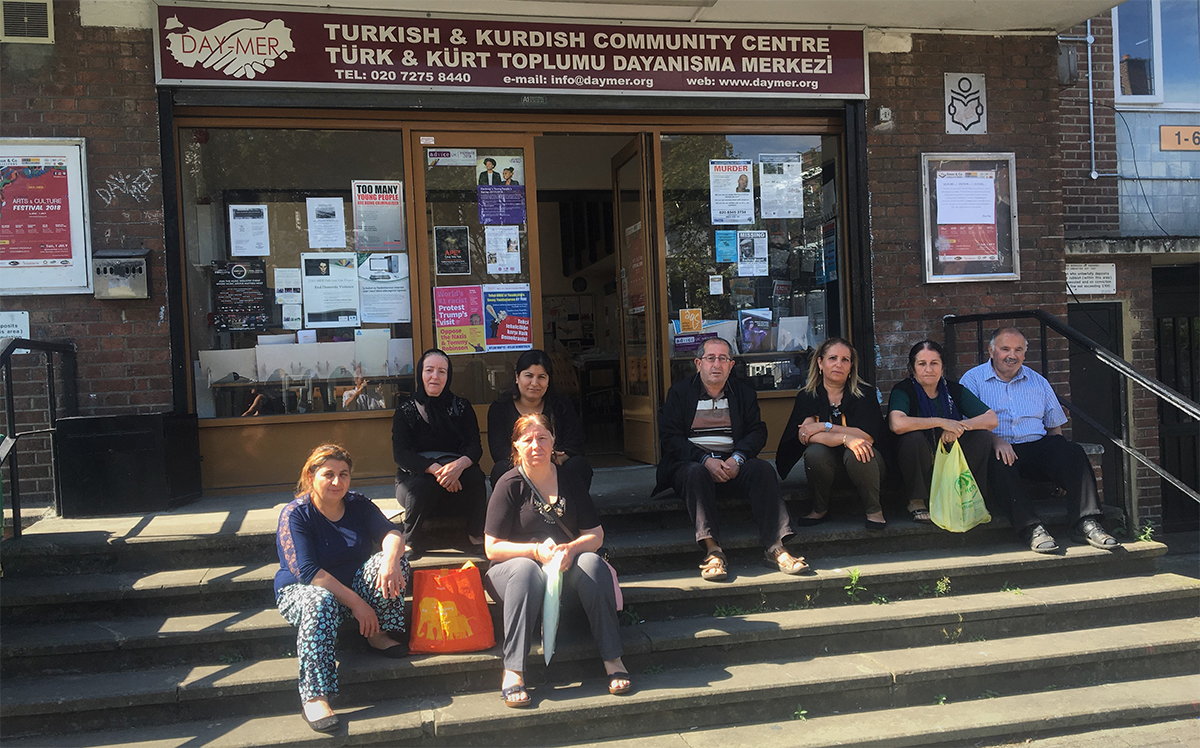
Since its establishment the organisation had a stable women’s service providing a point of contact, activities such as breakfast clubs and crafts classes and health promotion information services. Currently the women’s group and its activities draw around 50 women, with regular meetings, women’s events and contributing to all Day-Mer’s activities. Just as most of Day-Mer’s services the women’s services suffer from the lack of resources and never had post holder to coordinate, structure and oversee its activities. The work of volunteers has been crucial in this service too.
In line with the recent developments in Day-Mer, another area in which visible developments could be observed is the women’s activities and services targeting specifically women. As well as continuing with its now traditional set of activities, Day-Mer has also created opportunities for the introduction of new services for women.
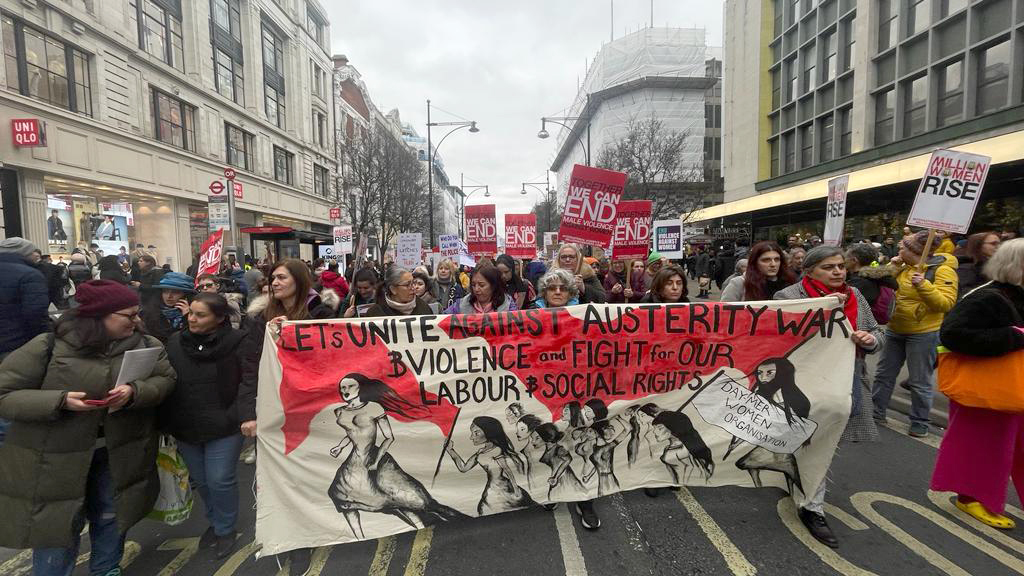
Day-Mer still coordinates its women’s activities and services through the Women’s Commission which meets regularly. This actually is also a very clear indication of Day-Mer’s commitment to the principle of autonomous organisation of women within Day-Mer. In this way, women, as well as being provided with the opportunity to run and take part in Day-Mer’s wide range of activities, also have the basis to carry out their independently organised activity and services.
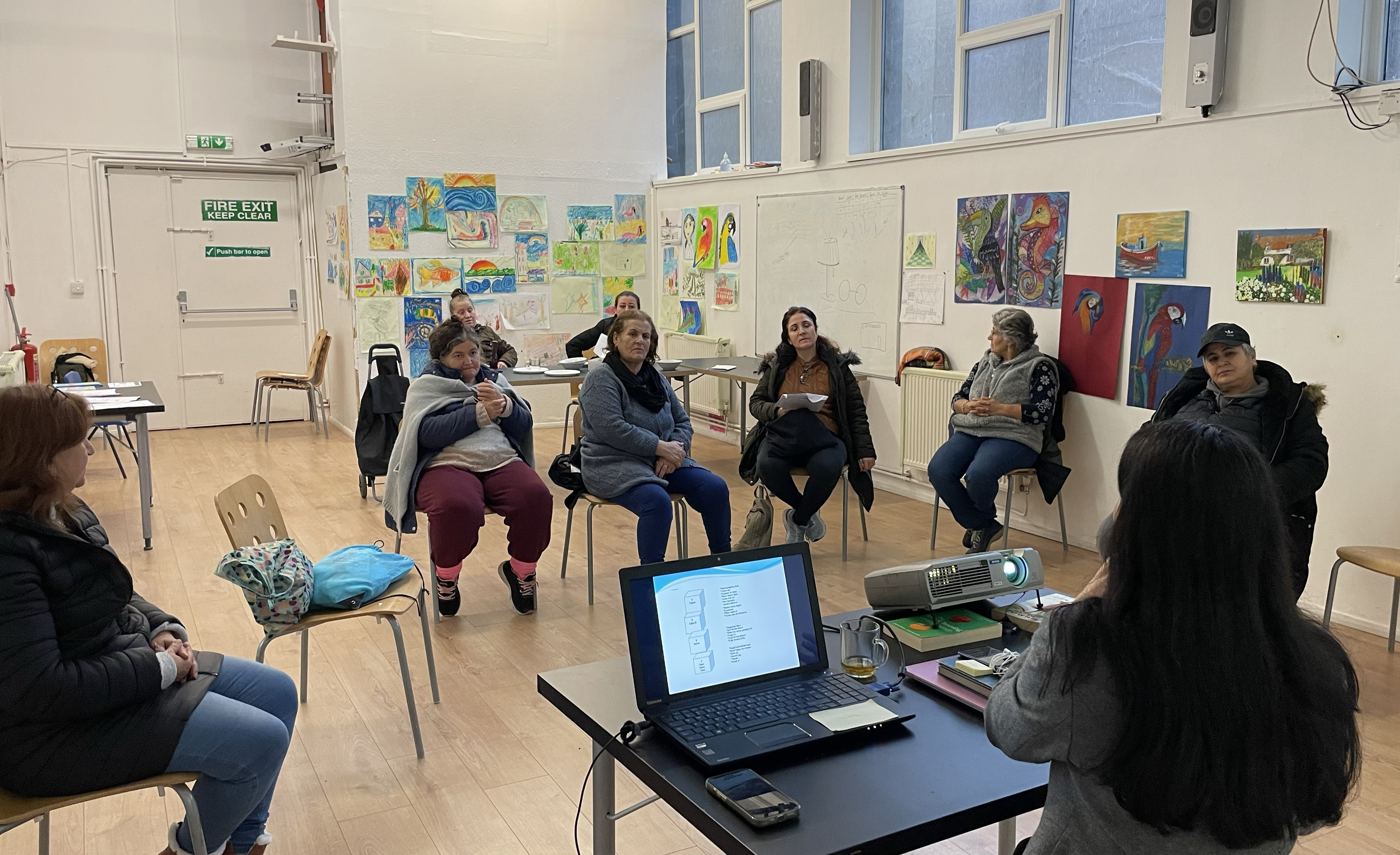
Under the direction of the Commission, numerous meetings, seminars and discussion panels concentrating on different aspects of the issues encountered by Turkish and Kurdish women have taken place. The vision of Day-Mer as well as its Women’s Commission has been to point out that the Turkish and Kurdish women experience problems relating to their ethnic, national or cultural background as well as issues experienced by the women population in general. With this outlook, a wide range of seminars, attended by significant number of women, covering a diverse range of topics such as different aspects of women’s mental and physical health, child education from pre-school to higher education and to social rights have been organised.
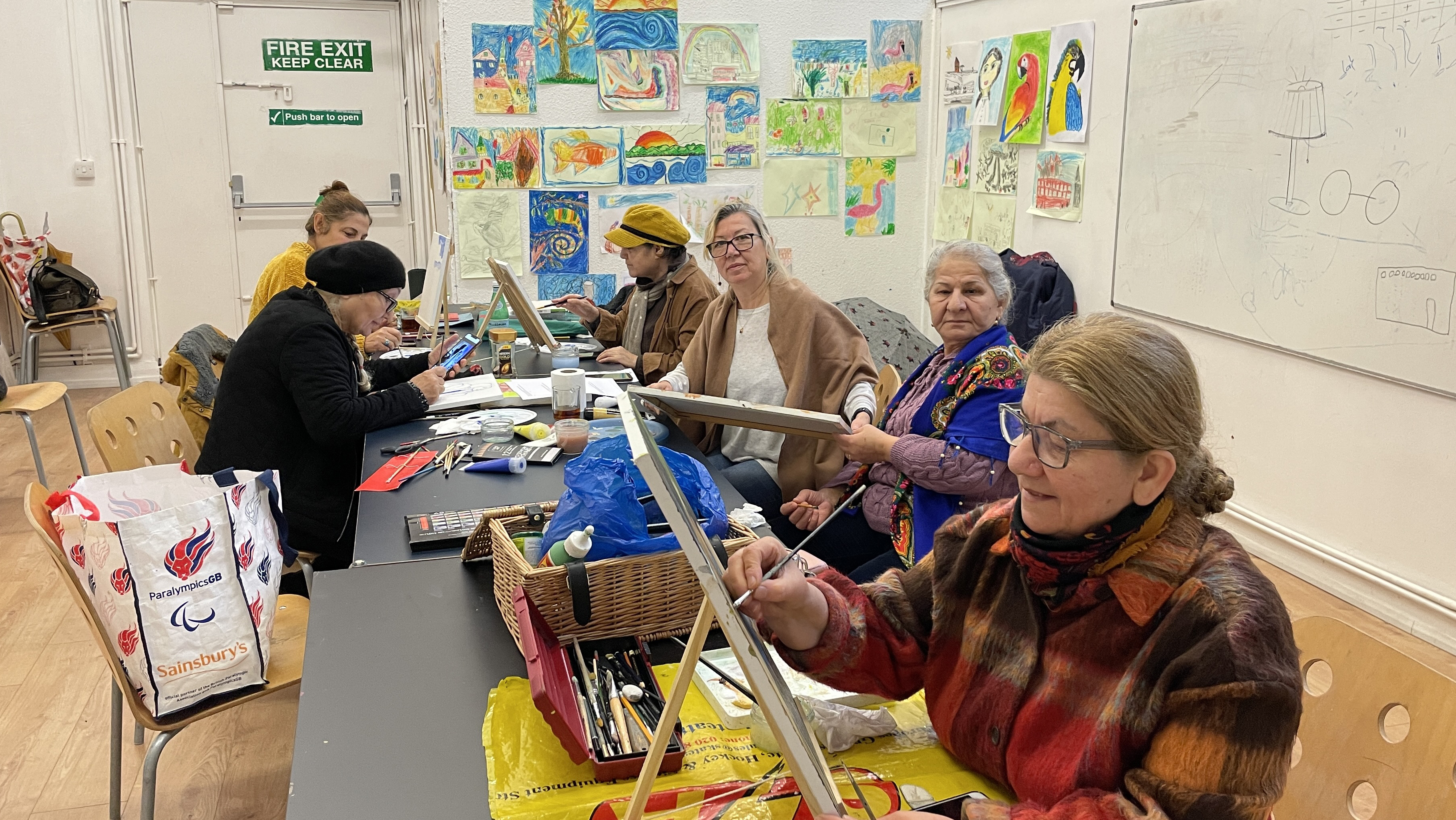
These seminars as well as being organised on their own, are offered in a holistic approach in tandem with other activities such as the regular women’s breakfast meetings which take place in the weekends where women can simultaneously socialise and participate in an activity. These breakfast meetings, which have been running over the last two years, incorporate also other activities such as crafts classes of glass painting etc and sightseeing outings, trips and picnics, all attended by substantial number of women.
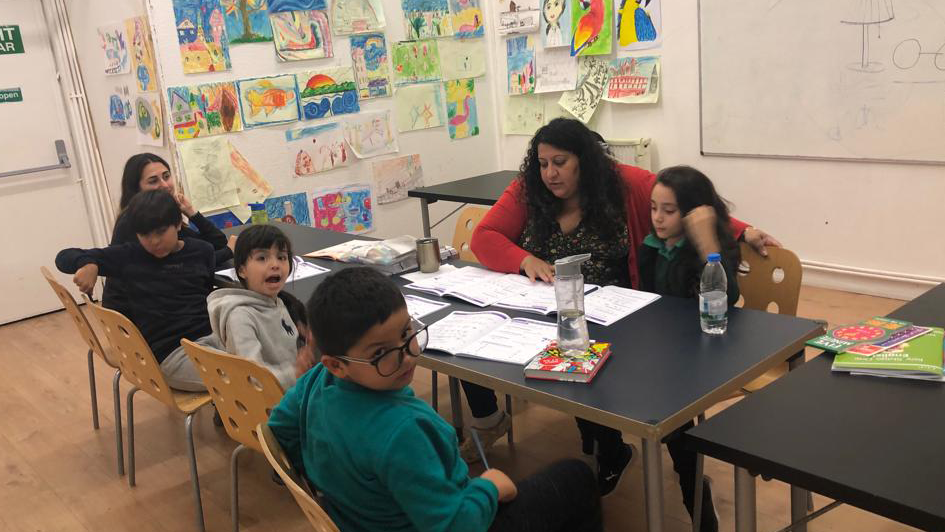
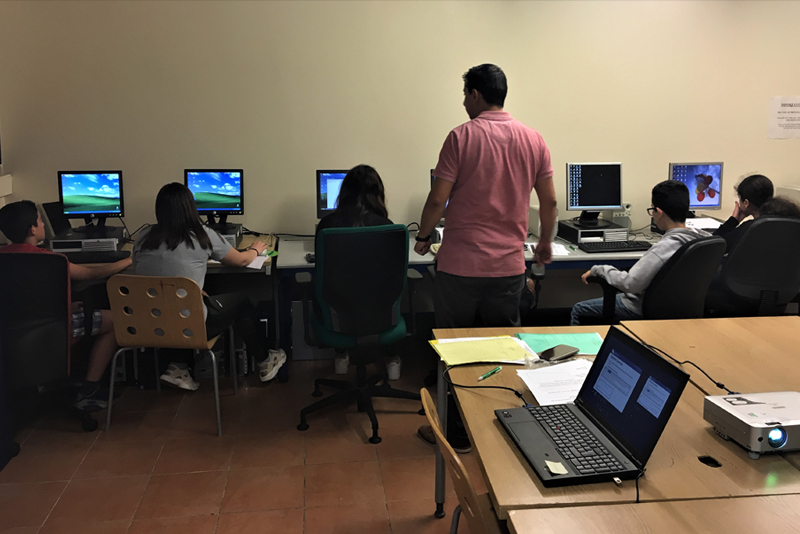
Alongside these activities, Day-Mer has also been running a number of regular classes for women, with those of folk dance, drama, choir, introduction to IT. and Turkish literacy classes in the forefront. While the folk dance, choir and drama classes contribute to the personal cultural development of the women as well as Day-Mer’s activity and events with their performances, the IT. and literacy classes provide some of the necessary aspects of the preparation of Turkish and Kurdish women who are keen to participate in the wealth of mainstream professional and educational opportunities. The only women’s activity for which Day-Mer receives funding has been the Turkish literacy classes which is funded by Hackney Community College. It is clear that some sort of continued funding should be secured to improve the range and quality of activity and services.
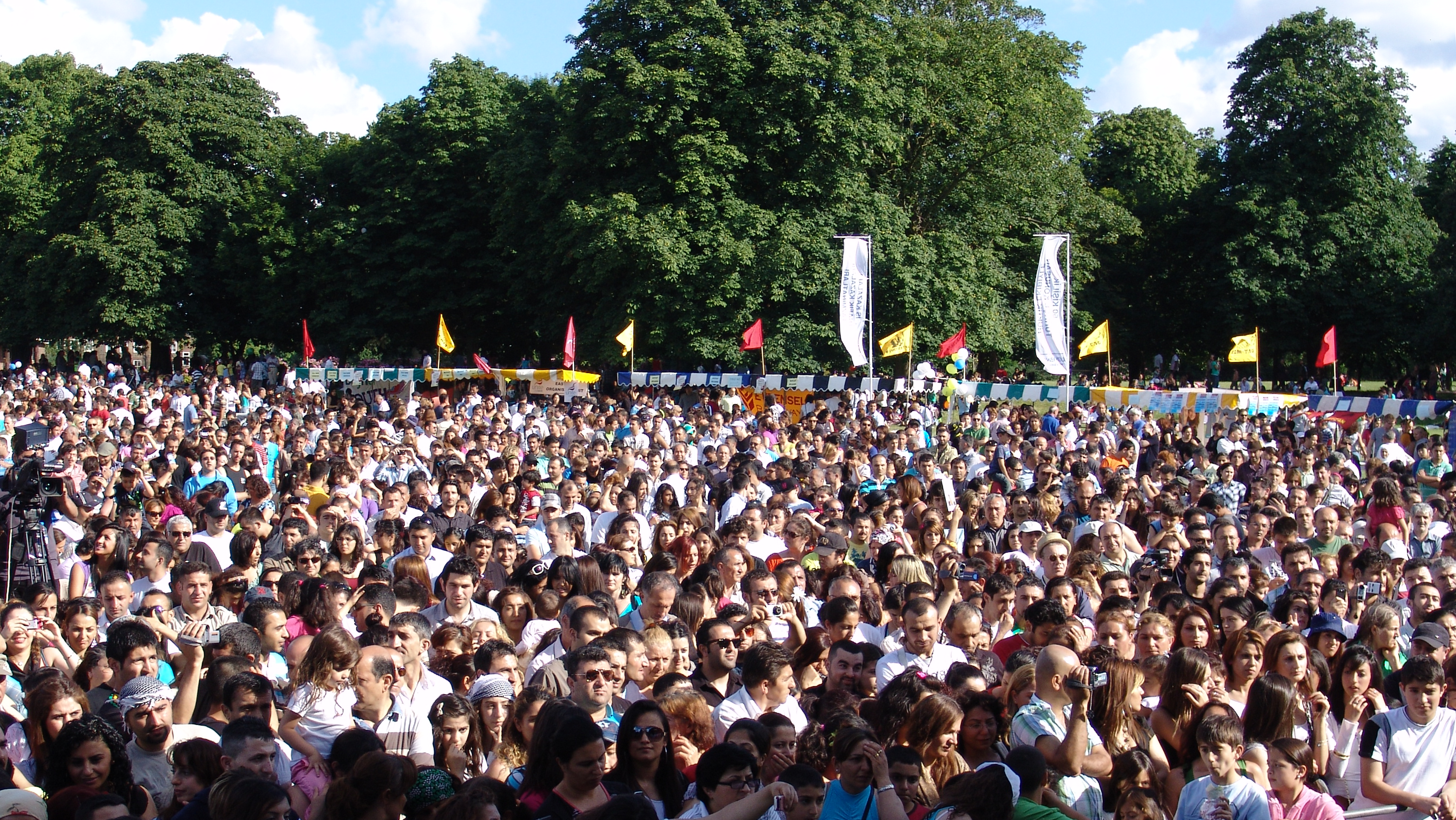
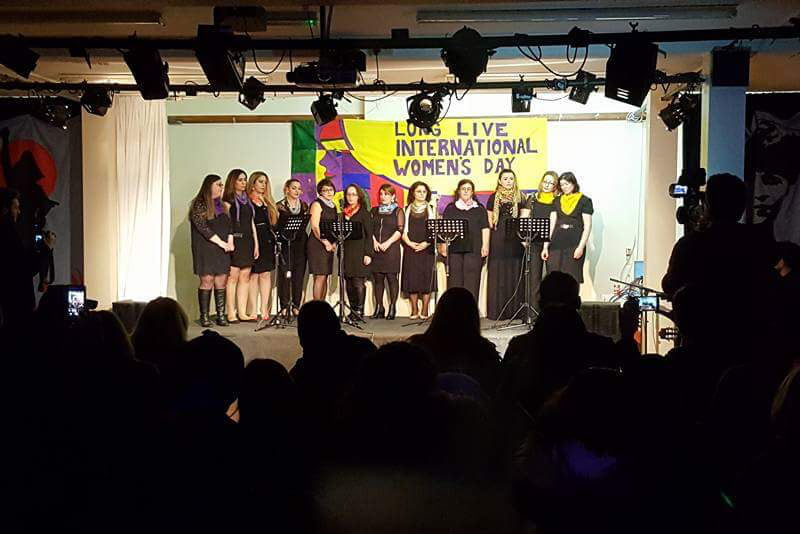
In the last few years, Day-Mer through its women’s commission continued with celebrating the International Women’s Day as a festival with the attendance of 600-700 people. At these festivals, in addition to folk dance, drama, chorus, poetry readings, exhibitions and slide shows prepared by Day-Mer’s women, there were performances and contributions from other parts of Day-Mer such as the performances of the folk dance group, and sketches by youth as well as performances and music from other organisations and individuals.